How to Stand Out as a Director Level Candidate
Standing out as a director level candidate requires more than a polished resume. It demands deliberate proof of leadership impact, strategic thinking, and cultural fit from the first sentence a hiring manager reads. Recruiters spend just 6 to 11 seconds on an initial resume scan. That means your qualifications, business outcomes, and influence must appear at the top, not buried in the third page. The candidates who win director roles are those who reframe every experience around organizational impact and show they belong at the leadership table before the interview even begins.
How to stand out as a director level candidate: skills hiring managers want
Hiring managers evaluating director candidates are not just checking credentials. They are assessing whether you can own a function, shape strategy, and develop the people beneath you simultaneously.
The skills that carry the most weight at director level fall into four categories:
- Leadership with measurable results. You must show you drove outcomes, not just managed processes. Quantify revenue growth, cost reduction, team performance improvements, or market share gains you directly influenced.
- Decision-making under ambiguity. Directors face incomplete information constantly. Hiring managers want evidence you made sound calls when the data was unclear and owned the consequences.
- Influence without authority. At director level, you regularly move cross-functional teams, executives, and external partners without a direct reporting line. Demonstrating this skill separates managers from directors.
- Team building and talent development. Boards and senior leaders want directors who grow the people around them. Name the individuals you promoted, the teams you restructured, and the cultures you shaped.
Interpersonal skills and collaborative ability are among the most critical cultural fit indicators evaluated during director and board selection. This matters because technical competence is assumed at this level. What differentiates candidates is how they show up in a room.
Pro Tip: Record yourself answering a behavioral question about a leadership failure. Watch it back and note whether you sound defensive or reflective. Hiring panels at director level reward the latter.
How should you tailor your resume for director roles?
A director-level resume is not a job description. It is a business case for why you belong in the role.
Candidates improve their odds significantly by aligning at least 80% of their top resume bullet points with the core qualifications listed in the job posting. This is not keyword stuffing. It is signal alignment. Hiring managers and ATS systems both scan for direct matches, and your first five bullets carry the most weight.
Rewriting your resume for director roles requires three specific moves:
- Replace task descriptions with outcome statements. “Managed a team of 12” becomes “Built a 12-person team that reduced product delivery time by 30% over two quarters.”
- Add a case study section or executive summary. Rewriting case studies from scratch, focused on the business problem, your decisions, and the measurable result, is one of the most effective ways first-time director candidates differentiate themselves.
- Show influence beyond your direct authority. Add a line or section that explicitly names cross-functional wins. “Partnered with the CFO and CMO to realign a $4M budget, resulting in a 22% increase in qualified pipeline” tells a director-level story.
The table below shows how to reframe common resume language for director-level impact:
| Operational framing | Director-level framing |
|---|---|
| Managed marketing campaigns | Directed a $2M campaign portfolio that grew brand awareness by 40% |
| Led weekly team meetings | Built a performance culture that reduced voluntary turnover by 18% |
| Reported to VP of Sales | Partnered with VP of Sales to redesign territory strategy, adding $6M in ARR |
| Oversaw vendor contracts | Renegotiated three enterprise contracts, saving $900K annually |
Pro Tip: Use the job posting as a checklist. Print it out, highlight every core qualification, and verify each one appears in your top half-page. If it does not, rewrite until it does.
What interview strategies help you demonstrate director-level readiness?
The director-level interview is a two-way evaluation of strategic fit, not a competency quiz. You are being assessed on how you think, not just what you have done.
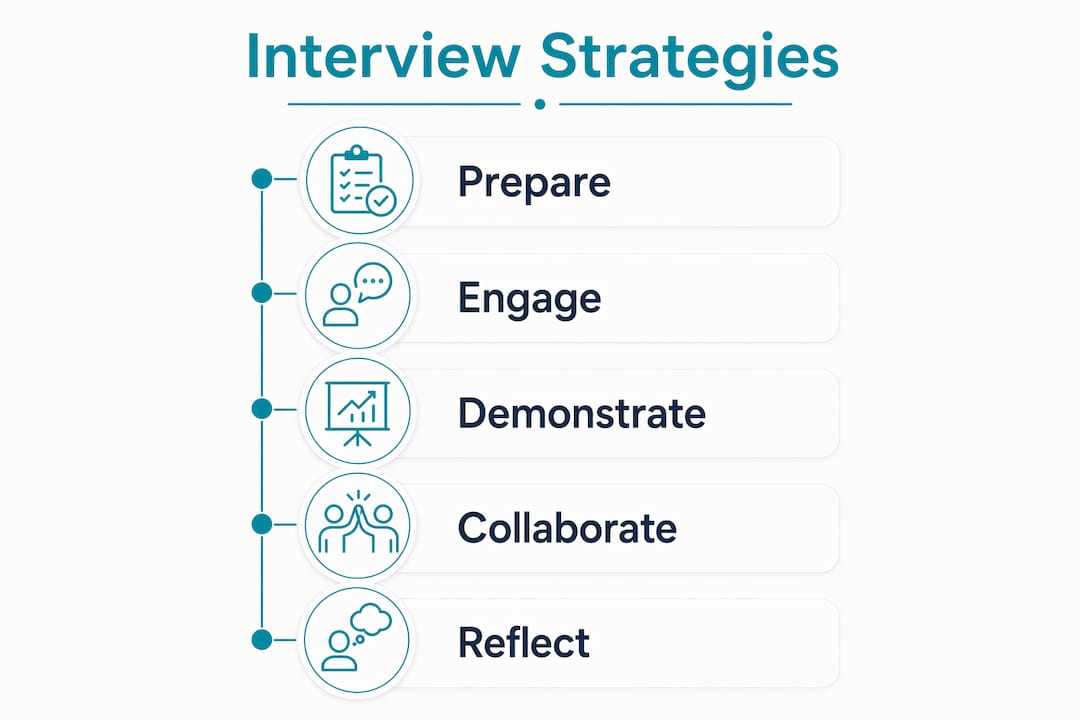
Preparation starts with deep research. Understanding a company’s mission, culture, strategic risks, and governance challenges before the interview lets you ask questions that signal director-level perspective. Asking “What are the three biggest risks to your five-year strategy?” lands differently than “What does a typical day look like?”
High-impact interview strategies for director candidates include:
- Prepare questions that reflect governance thinking. Ask about board priorities, succession planning, or how the function you would lead connects to company-wide objectives.
- Discuss failure with specificity and no defensiveness. Talking about failures candidly is a recognized director-level signal. Name the situation, your decision, what went wrong, and what you changed. Panels remember the candidates who own their mistakes.
- Balance confidence with humility. Board-level interviews reward candidates who demonstrate conviction without dismissing others’ perspectives. Overconfidence reads as a governance risk.
- Distinguish execution from stewardship. Know the difference between describing what you built operationally and explaining how you protected the organization’s long-term interests. Directors are stewards, not just operators.
The goal is to leave every interviewer thinking you already operate at the level they are hiring for.
What common mistakes hurt director level candidates?
Most director candidates do not lose roles because they lack experience. They lose because they fail to communicate that experience at the right altitude.
The most damaging mistakes fall into four patterns:
- Generic achievement statements. Listing “improved team performance” without a metric or business context signals manager-level thinking, not director-level impact.
- No evidence of influence beyond direct authority. If every accomplishment on your resume happened within your own team, hiring managers question whether you can operate across an organization.
- Overemphasis on operational detail. Describing how you executed a project step by step tells the panel you are a strong manager. Describing why you made the strategic call and what it meant for the business tells them you are a director.
- Lack of self-awareness around failure. Candidates who deflect blame, minimize mistakes, or give vague answers about what they learned signal low emotional intelligence. That is a disqualifying trait at director level.
Pro Tip: Ask a trusted peer or mentor to review your resume and identify every bullet point that describes a task rather than an outcome. Rewrite each one before you apply.
What tools and mindset shifts prepare you for director-level candidacy?
Preparation for a director role is not a one-week sprint. It is a deliberate process of reframing how you think about your own career.
The most effective candidates treat their preparation in structured stages:
- Audit your work stories using the STAR framework. Situation, Task, Action, Result. Every story you tell in an interview should hit all four beats, with the Result focused on business impact, not personal effort.
- Record practice interviews and review them. Practicing responses aloud and recording yourself is one of the most underused preparation techniques at this level. Tone, pacing, and word choice all signal seniority. Watch the recording as a hiring manager would.
- Shift your mental frame from operator to steward. Candidates who frame their leadership impact as governance stewardship rather than operational management consistently earn stronger evaluations. Ask yourself: “How did this decision protect or grow the organization’s long-term value?”
- Research the board and senior leadership team. Read their public statements, earnings calls, and LinkedIn activity. Know what they are worried about. Show up with that knowledge visible in your questions and framing.
The mindset shift from manager to director is not about seniority. It is about accountability scope. Directors answer for outcomes they did not personally execute. Candidates who internalize that distinction before the interview show up differently.
Key Takeaways
Director-level candidates win roles by demonstrating governance thinking, measurable business impact, and cultural fit from the first line of their resume through the final interview question.
| Point | Details |
|---|---|
| Front-load resume alignment | Match at least 80% of your top bullet points to core job qualifications. |
| Reframe achievements as outcomes | Replace task descriptions with business results tied to revenue, risk, or growth. |
| Show influence beyond your team | Name cross-functional wins where you moved outcomes without direct authority. |
| Discuss failure with specificity | Owning mistakes candidly signals emotional intelligence and director-level maturity. |
| Adopt a stewardship mindset | Frame your leadership impact around long-term organizational value, not operational execution. |
What I have learned about what truly separates director candidates
After more than a decade of recruiting and working with senior professionals, I can tell you the candidates who impress hiring panels most are rarely the ones with the longest tenure or the most impressive titles. They are the ones who walk into the room already thinking like a director.
The balance of confidence and humility is the hardest thing to teach. Candidates who have it do not announce their accomplishments. They explain the decisions they made, the risks they weighed, and the outcomes they accepted responsibility for. That posture reads as leadership. It reads as someone you can trust with a function.
The other thing I see consistently is that communicating a clear governance value proposition, focused on how you improve decisions and manage risk at an organizational level, separates the candidates who get offers from those who get polite rejections. Most candidates talk about what they did. The best candidates talk about what the organization gained because of what they did.
If you are preparing for a director search right now, spend less time perfecting your resume format and more time rehearsing the three or four stories that prove you think at this level. Those stories, told with clarity and honesty, will do more for your candidacy than any credential.
Kim
Resumewiz can help you compete at the director level
Reaching the director level takes more than experience. It takes a resume and interview presence that signals you already belong there.

Resumewiz specializes in helping senior professionals build director-level resumes that pass ATS screening and impress hiring managers on first read. The platform offers tailored resume development, LinkedIn profile optimization, and interview coaching designed specifically for professionals competing for leadership roles. Kim Taynor and the Resumewiz team bring over 10 years of recruiting experience to every engagement, ensuring your application reaches the right decision-makers with the right message. If you are serious about standing out in a competitive director search, Resumewiz offers the preparation and positioning to get you there.
Want a recruiter in your corner for your next senior role? Book a free call with Resume Wiz and we will map out your next move together.
FAQ
What does a director level resume need to include?
A director-level resume must lead with measurable business outcomes and show influence beyond your direct team. Align at least 80% of your top bullet points with the core qualifications in the job posting.
How do you demonstrate cultural fit in a director interview?
Board and director interviews reward candidates who balance confidence with humility and show they can collaborate with senior leadership. Avoid overconfidence and demonstrate you listen as well as you lead.
How should you talk about failure in a director interview?
Discuss failures with specificity and no defensiveness. Name the situation, your decision, what went wrong, and what you changed. Panels at director level treat candid self-reflection as a sign of maturity.
What is the difference between manager-level and director-level thinking?
Director-level thinking focuses on organizational outcomes, governance, and long-term risk. Manager-level thinking focuses on executing tasks and managing a team. Your resume and interview answers must reflect the former.
How far in advance should you prepare for a director role interview?
Deep preparation, including company research, story rehearsal, and recorded practice sessions, takes several weeks minimum. Reviewing board priorities and governance challenges before the interview signals the level of seriousness hiring panels expect.
